

Mangosteen
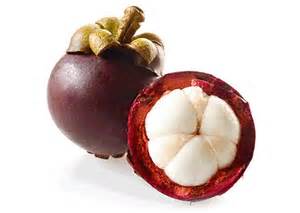
Mangosteen is an evergreen, tree reaching about 20- 60 ft in height. It’s commonly found in hot humid climates like the tropical rainforests of Indonesia, Malaysia, and Philippines as well as in some cultivated lands in Sri Lanka, and India, where annual precipitation and relative humidity are favorable for its growth. Unique for its appearance and flavor, mangosteen is often revered as the “queen of the tropical fruits”, especially in the oriental regions. Mangosteen is a 2 -3 inch roundish purple tropical-fruit and is quite popular all over the Asian countries.
The benefits of the mangosteen fruit is like that of other fruits, where it contains important nutrients such as vitamin C, fiber, potassium and even some biologically active compounds like Catechins and Proanthocyanidins. What sets this “superfruit” apart is the unique antioxidant called xanthones, which is found in the rind of the fruit. Studies have shown that the reproduction of certain types of bacteria such as salmonella, and the tuberculosis bacteria can be inhibited by the xanthones in the Mangosteen rind. Mangosteen’s xanthones possess antiseptic, anti-cancer, anti-inflammatory, antibacterial, antifungal, antiviral , anti-convulsant and antioxidant properties. Mangosteen may help to combat free radical damage that results in cell mutations (cancer and tumor growth).
Mangosteen can help to combat pain (anti-inflammatory property which may decrease inflammation, pain and joint damage linked with arthritis, or pain caused by sports workout and minor injuries). Decreasing free radical damage and inflammatory build up help’s maintain healthy blood vessels, lowers cholesterol levels which protects the heart muscle, and lower blood pressure. Mangosteen can also boost energy, maintain intestinal health, help in skin conditions fighting against bacteria which causes most acne, and help in wound healing and combating infection (viruses, bacteria, fungi, parasites, fevers). In Asia’s southwest the rind has been used medicinally for generations, it’s used to make a tea to treat diarrhea and bladder infections while an ointment was made and applied to treat skin rashes.